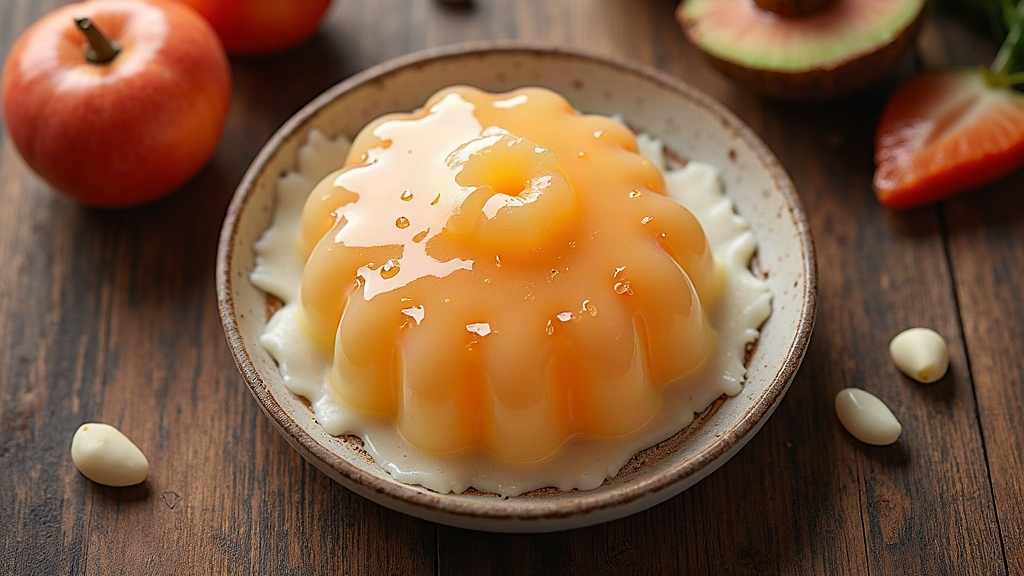
Women's Wellness Insight

Why Gelatin Is Quietly Becoming Part of Everyday Routines for Women Noticing Body Changes

Between morning routines and evening wind-downs, more women are looking at simple habits — including gelatin — as part of how they think about daily wellness, not as a quick fix.

Women's Wellness  ·  Natural Habits  ·  Educational Content  ·  Women's Wellness  ·  Natural Habits  ·  Educational Content

What Changes as the Body Shifts Over Time

Many women notice their routines don’t feel as effective as they once did. Here’s a look at four common shifts often discussed in the context of daily habits — including conversations around gelatin and collagen.

Shifting Satiety Signals

The way fullness is experienced after meals can change over time, which sometimes leads women to reconsider portion habits and meal timing.

Traditional Dieting Fatigue

Restrictive approaches that once felt manageable can start to feel harder to sustain, prompting interest in gentler, habit-based routines instead.

Collagen in Daily Conversation

Collagen-related habits, including gelatin as a dietary source, are increasingly discussed as part of general wellness routines rather than isolated trends.

Lean Mass Composition

Body composition naturally shifts with age and lifestyle, which is part of why many women revisit how they approach movement and nutrition.

Myths vs. Facts About Metabolism and Weight

There is a lot of noise around metabolism and female weight changes. Here’s a sober look at three commonly repeated ideas.

MYTH

Metabolism ‘breaks’ permanently after a certain age.

FACT

Metabolic rate does shift gradually over time, but it is influenced by many factors, including muscle mass, sleep, and daily activity — not a single fixed switch.

MYTH

Cutting calories drastically is the only way to see change.

FACT

Sustainable habits, including adequate protein intake and consistent routines, are commonly discussed as more manageable long-term approaches.

MYTH

Supplements or foods like gelatin work instantly.

FACT

Dietary habits, including gelatin consumption, are generally understood as part of a broader routine built over time, not a one-time action.

A Simple Framework for Rethinking Daily Habits

Rather than an overhaul, many women start with small, structured adjustments. Here is a commonly discussed three-step approach.

01

Observe Current Patterns

Before changing anything, take note of existing meal timing, sleep, and hydration habits without judgment.

02

Introduce One Habit at a Time

Whether it’s adjusting protein sources or including gelatin in a recipe, small additions are easier to sustain than sudden overhauls.

03

Reassess and Adjust Gradually

Routines are rarely static. Revisiting habits every few weeks allows adjustments based on how the body responds.

A Culinary Tradition Older Than Modern Wellness Trends

Gelatin has a long history in home kitchens, derived from collagen through a slow cooking process traditionally used in broths, stocks, and desserts across many cultures. Long before it appeared in wellness conversations, it was simply a kitchen staple valued for its texture and versatility.

What’s often overlooked is that gelatin’s connection to collagen is not a modern marketing angle — it reflects a cooking tradition that predates today’s supplement industry by generations.

Signs Women Often Pay Closer Attention To

Changes in Hunger Cues

Feeling hungry sooner after meals, or less satisfied overall, is a commonly mentioned observation.

Skin Texture Shifts

Many women notice gradual changes in skin firmness or texture over time, often discussed alongside collagen-related habits.

Joint Comfort During Activity

Some women report increased awareness of joint stiffness, particularly after periods of inactivity.

Weight Distribution Changes

Where weight tends to sit on the body can shift over time, independent of overall weight changes.

Afternoon Energy Dips

A noticeable drop in energy mid-day is a common observation tied to sleep, nutrition, and routine consistency.

Nail Strength and Growth

Some women notice changes in nail texture or growth rate, which is often mentioned in general wellness discussions.

What Some Women Have Shared About Their Routines

I started paying more attention to my evening routine and added gelatin into a simple recipe a few times a week. It became part of how I wind down, honestly.

Danielle R.
Illustrative account
Nothing dramatic changed overnight, but I liked having something simple to focus on instead of another restrictive plan.
Priya M.
Illustrative account
I appreciated learning more about where gelatin comes from. It made the habit feel less like a trend and more like something practical.
Courtney B.
Illustrative account

These testimonials reflect individual opinions and experiences. Individual results may vary, and these statements have not been evaluated for typicality or guaranteed outcomes.

Frequently Asked Questions

Hydrolyzed gelatin is gelatin that has been broken down into smaller components for easier mixing and dissolving, while still originating from the same collagen-based source as traditional gelatin.

Gelatin is derived from collagen through a cooking process. They are closely related, though they differ slightly in structure and how they are typically used.

Many people incorporate gelatin into meals or recipes as part of a broader dietary routine, similar to other everyday ingredients.

No. This content is educational and does not claim that gelatin or any product leads to weight loss, fat loss, or specific body changes.

This content is intended for general educational purposes for women interested in learning more about wellness-related habits and ingredients.

Yes. It’s always recommended to speak with a qualified healthcare professional before making changes to your diet or routine.

Gelatin is commonly derived from collagen found in connective tissues, often sourced from bovine or porcine origins, depending on the product.

Curious How This Fits Into Everyday Routines?

Watch the short video to learn more about the role gelatin and related habits play in everyday wellness conversations for women.

Advertising Disclosure: This page contains sponsored content and affiliate links. We may receive compensation if you click on or make purchases through links provided on this page. This helps support the content on this website.

Content Disclaimer: The content on this page is provided for educational and informational purposes only. It has not been evaluated by the Food and Drug Administration (FDA). It is not intended to diagnose, treat, cure, or prevent any disease or health condition. Always consult a qualified healthcare professional before making changes to your diet, exercise, or wellness routine.

Results Disclaimer: Individual results may vary. Testimonials and experiences shared on this page are not a guarantee of any specific outcome. They reflect personal opinions and should not be interpreted as a promise of results for any individual.

Privacy Policy · Refund Policy · Shipping · Contact · Disclaimer · © 2026 · All Rights Reserved